Lion park volunteering: cub raising and the canned hunting controversy
Paying volunteers came from overseas to hand-raise lion cubs here. The programme was popular, it was well reviewed by the people who did it, and it became one of the most criticised things about the park.
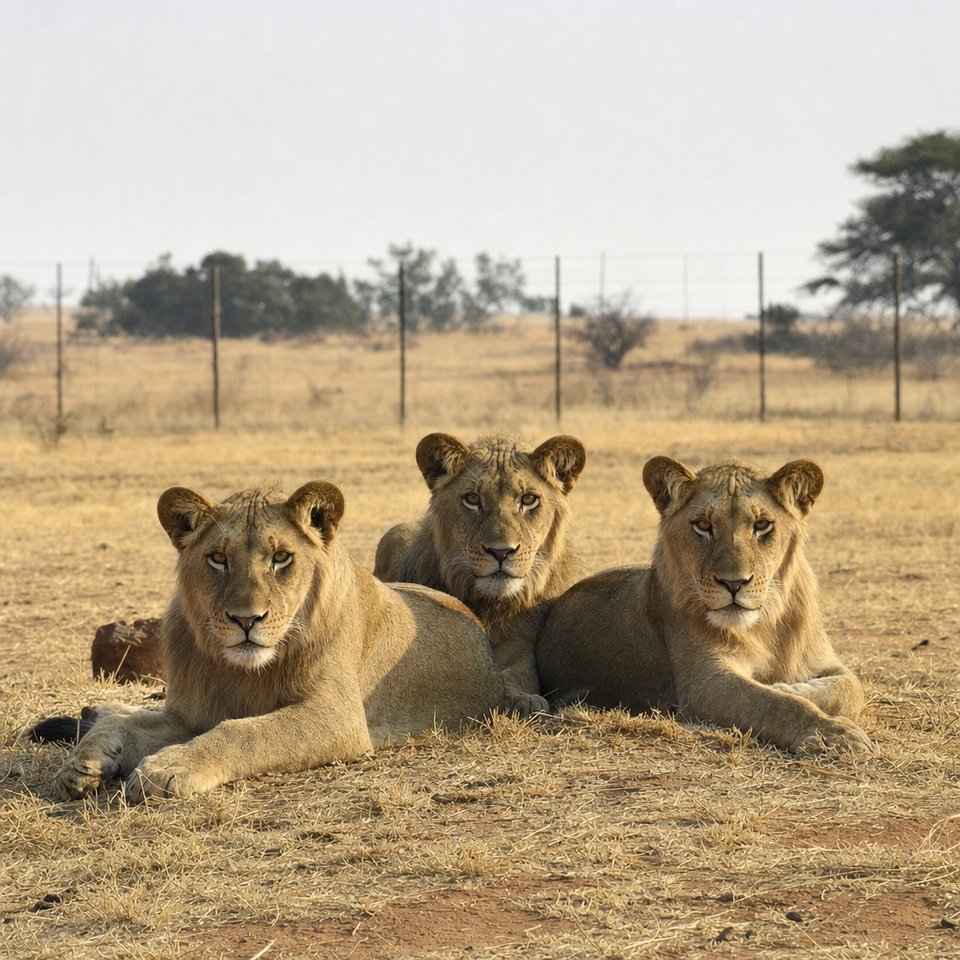
What lion park volunteering involved
The shape of the offer was common across South African facilities of this kind. A volunteer paid a fee, travelled in, and spent a set period working with young animals: bottle-feeding, cleaning enclosures, and supervising the cubs during the hours they were handled. Many participants described it afterwards as the experience of a lifetime, and there is no reason to doubt them.
Volunteering with lions south africa offered was, at the time, a recognisable gap-year and career-break product, marketed through agencies as conservation work.
Cub raising, canned hunting, and what the cubs were being raised for
Lion park volunteering drew its criticism from a single question, and it is not about how the volunteers behaved. It is about the cub raising itself, and about what conservation groups argue happens to hand-raised lions afterwards.
The argument runs like this. Cubs removed from their mothers can be handled by visitors, which is only possible while they are small. As they grow, walking with lions becomes the next stage of contact. Once they are too large for that, a hand-raised lion has no route back to a wild population — it is habituated to people and has never hunted. Where such animals go next is the question the industry has never answered comfortably.
The full chain, and the term canned hunting that sits at the end of it, is set out on the cub petting page and in more detail under captive lion breeding.
The controversy reaches the people who were booking
The clearest statement of the case against came from the travel side, not the conservation side. Oyster.com listed the park among the most controversial animal attractions in the world, publishing the piece in English, German, Spanish, French and Italian.
That matters because the controversy reached the audience that actually books these programmes. The conservation argument had been made for years in specialist outlets. The controversy only became commercially real when it appeared where prospective volunteers were reading.
What volunteers were and were not told
This is the part of the record that should be stated carefully. There is no basis here for a claim about what any individual volunteer was told, and none is made. What is documented is the general criticism: that programmes of this kind were marketed as conservation work without making the destination of the animals clear, and that participants frequently learned about the wider industry only afterwards.
Volunteering with lions south africa marketed in this period was, in that sense, sold on a promise that the industry as a whole could not keep.
Why the programme was popular
It is easy, reading the canned hunting criticism, to lose sight of why people signed up. The offer was genuinely appealing: weeks in South Africa, physical outdoor work, animals instead of a desk, and a plausible claim to be contributing to conservation. Agencies sold it as a way to do something useful with a gap year. Participants came back with photographs nobody else had.
None of that is a defence of the industry, and it is not offered as one. It is context for why lion park volunteering filled its places year after year while the argument against it was already in print. The people paying to be there were not the people making the decisions about where the animals went.
Cub raising as a commercial engine
The uncomfortable part of the cub raising model is that the volunteers were not incidental to it. A cub that is hand-raised can be handled; a cub that is handled draws paying visitors; and volunteers both paid for the privilege of doing the raising and supplied the labour that made it possible. The same animal generated revenue three times before it was full-grown.
That is the structural criticism, and it does not depend on anyone behaving badly. It follows from how the offer was built. Where hand-raised lions went afterwards is the question the industry never answered comfortably, and it is the reason canned hunting appears in every serious account of this business.
Where the practice stands now
South African policy has moved against captive lion breeding, and the close-contact activities that depend on it have narrowed accordingly. Lion park volunteering of the kind offered here is, as a product, largely gone. The park itself stopped allowing cub handling, a decision reported internationally. Walking with lions follows the middle stage of the chain, and what changed afterwards covers the park's own shift.